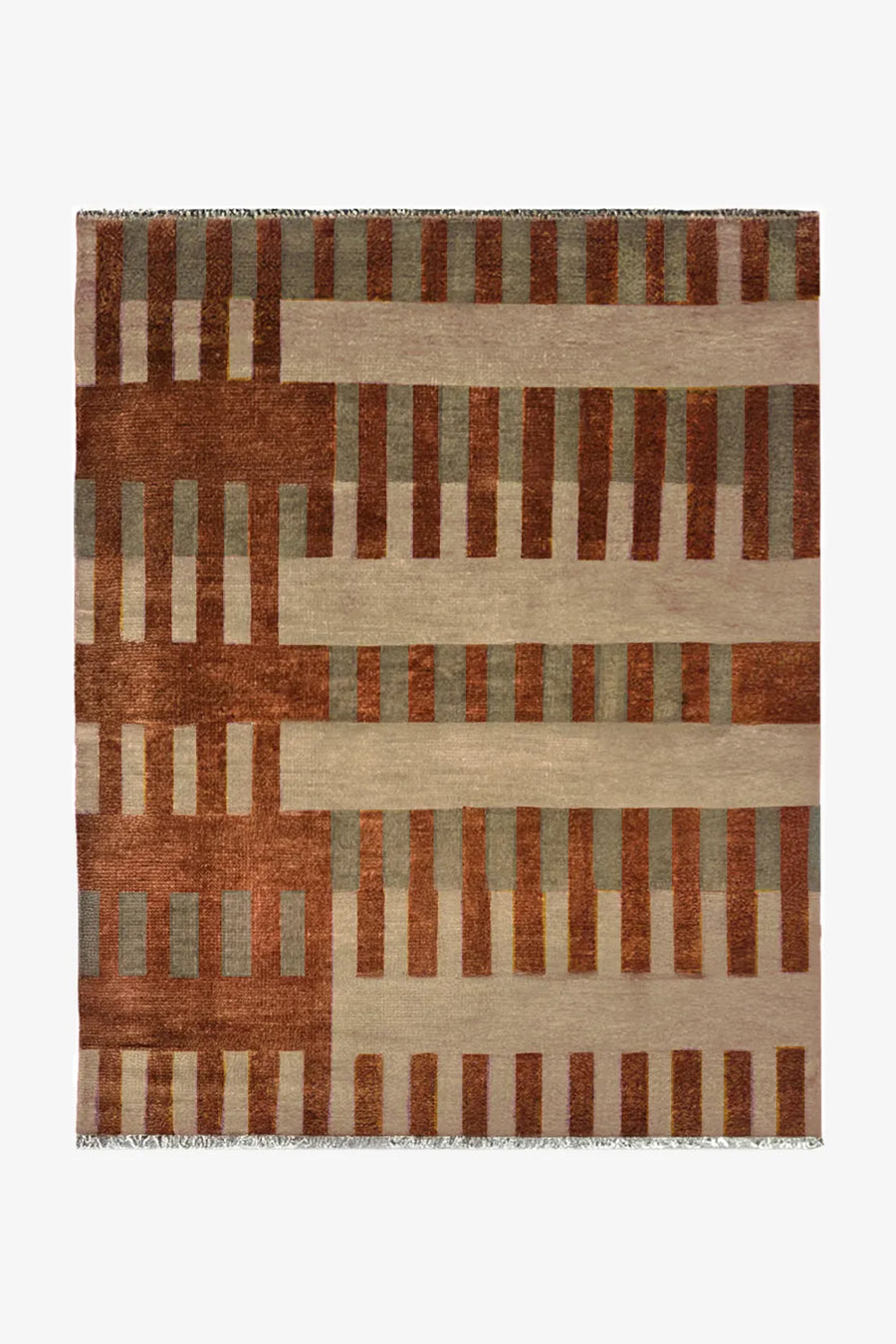
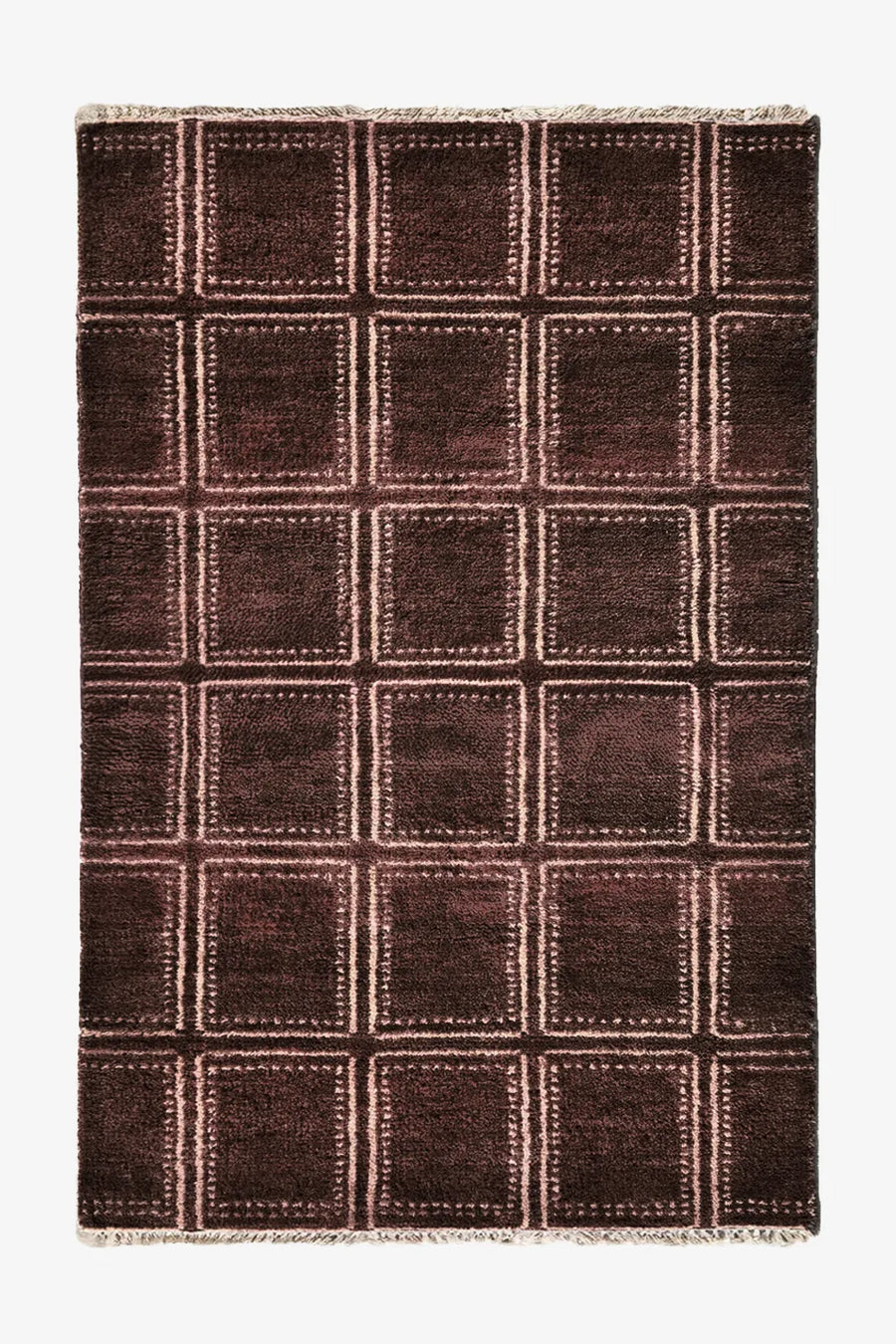
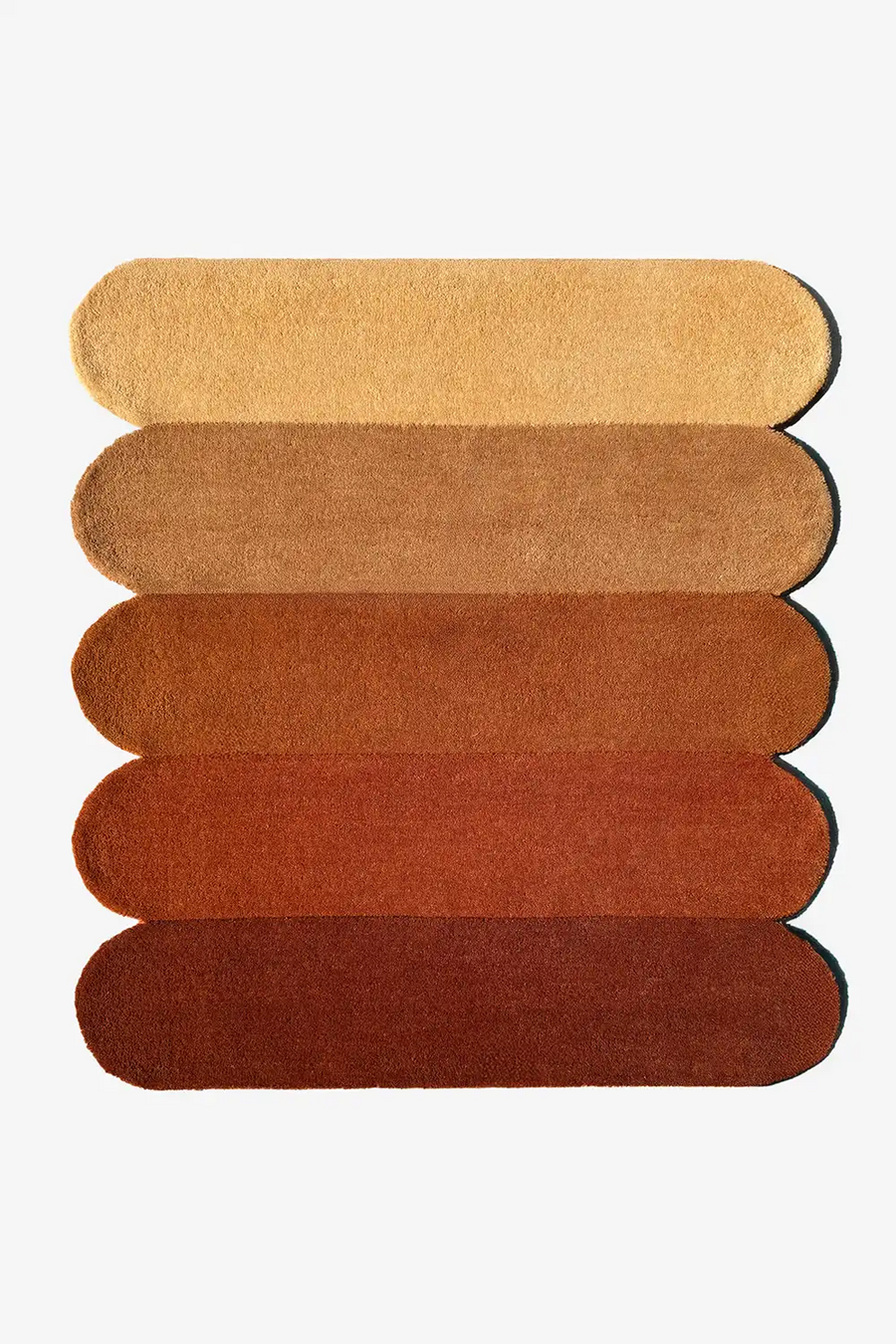
Contemporary hand-knotted rugs range from 30-80 KPSI (knots per square inch), with quality determined by construction method, fiber quality, and design intent—not knot count alone. A 50 KPSI hand-knotted rug with premium wool will outlast most machine-made rugs at any density and maintain its beauty for 50+ years.
If you're researching KPSI standards, you've likely encountered benchmarks claiming 200-300+ KPSI represents quality. These numbers reference rare historical textiles from 18th-century Persian courts—museum pieces that took years to produce with teams of weavers. They were never intended as standards for contemporary production.
As a design studio working directly with master artisan cooperatives in Bhadohi, India, we see modern production realities daily. Here's what hand-knotted rug quality actually looks like today.
Where Those High KPSI Numbers Come From
Ultra-high density rugs (200-400+ KPSI) exist in museums and historical collections for good reason:
- Time investment: A single 8x10 rug at 300 KPSI could take 3-5 years to complete with multiple weavers working full-time.
- Economic reality: Labor alone would cost $50,000-150,000+ at fair wages—before materials.
- Purpose: These were royal commissions for palaces and courts, not functional floor coverings for homes.
- Rarity: Even in historical production, these represented less than 1% of rugs made.
Using these as quality benchmarks for contemporary rugs is like judging all furniture against Versailles throne chairs. Beautiful, historic, impressive—but not a standard for what people actually use.
Contemporary KPSI Standards: Matching Density to Design
Modern hand-knotted rugs from respected weaving regions (Bhadohi, India; Anatolia, Turkey; Nepal; Afghanistan) typically range from 30-80 KPSI. This isn't a compromise; it's intentional design matching density to aesthetic purpose.
Think of it like pixel density on screens: a detailed photograph needs high resolution, but a bold graphic looks perfect at lower density. Image quality depends on content, not just resolution. The same principle applies to rugs.


Standard KPSI Ranges by Design Style:
-
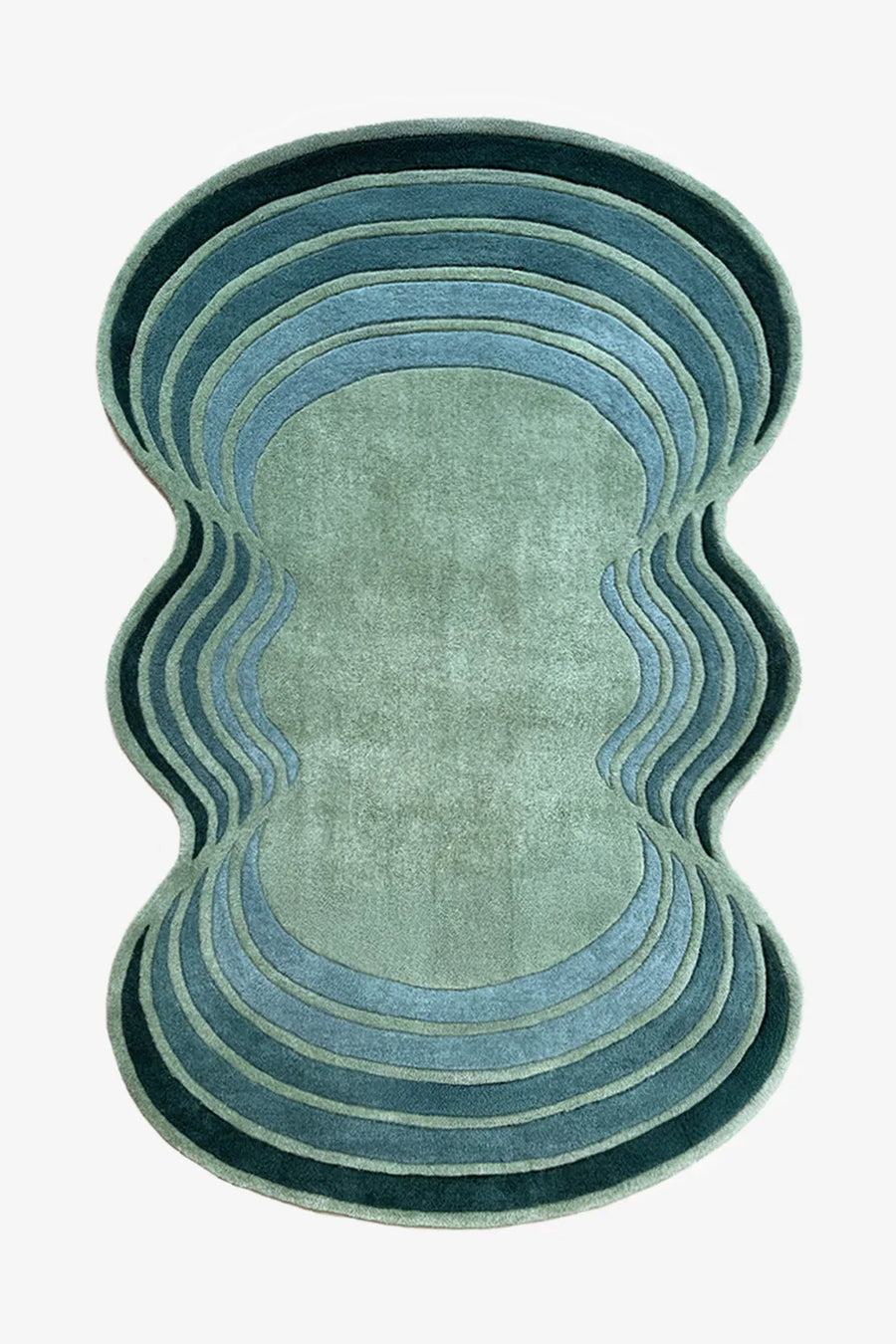
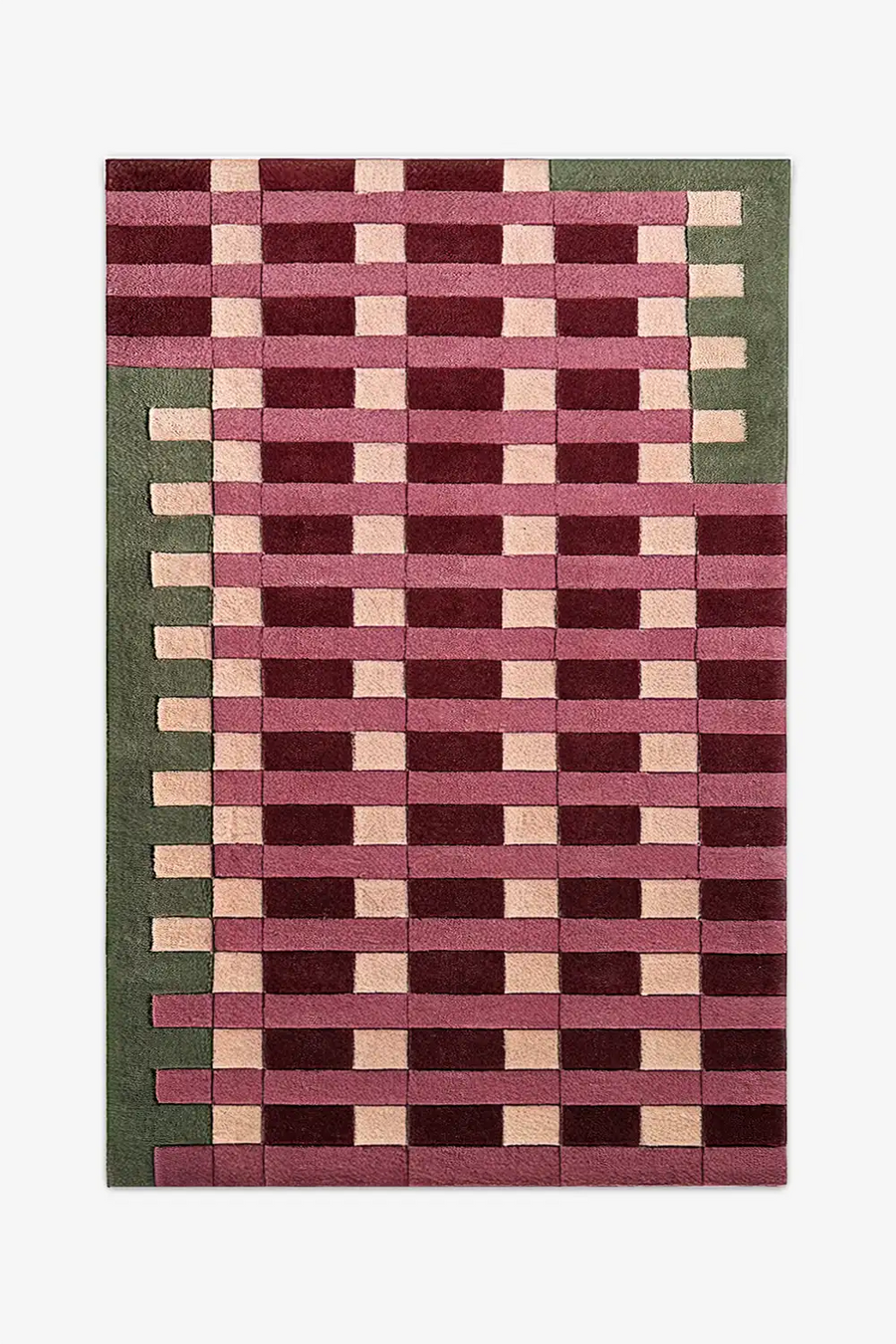
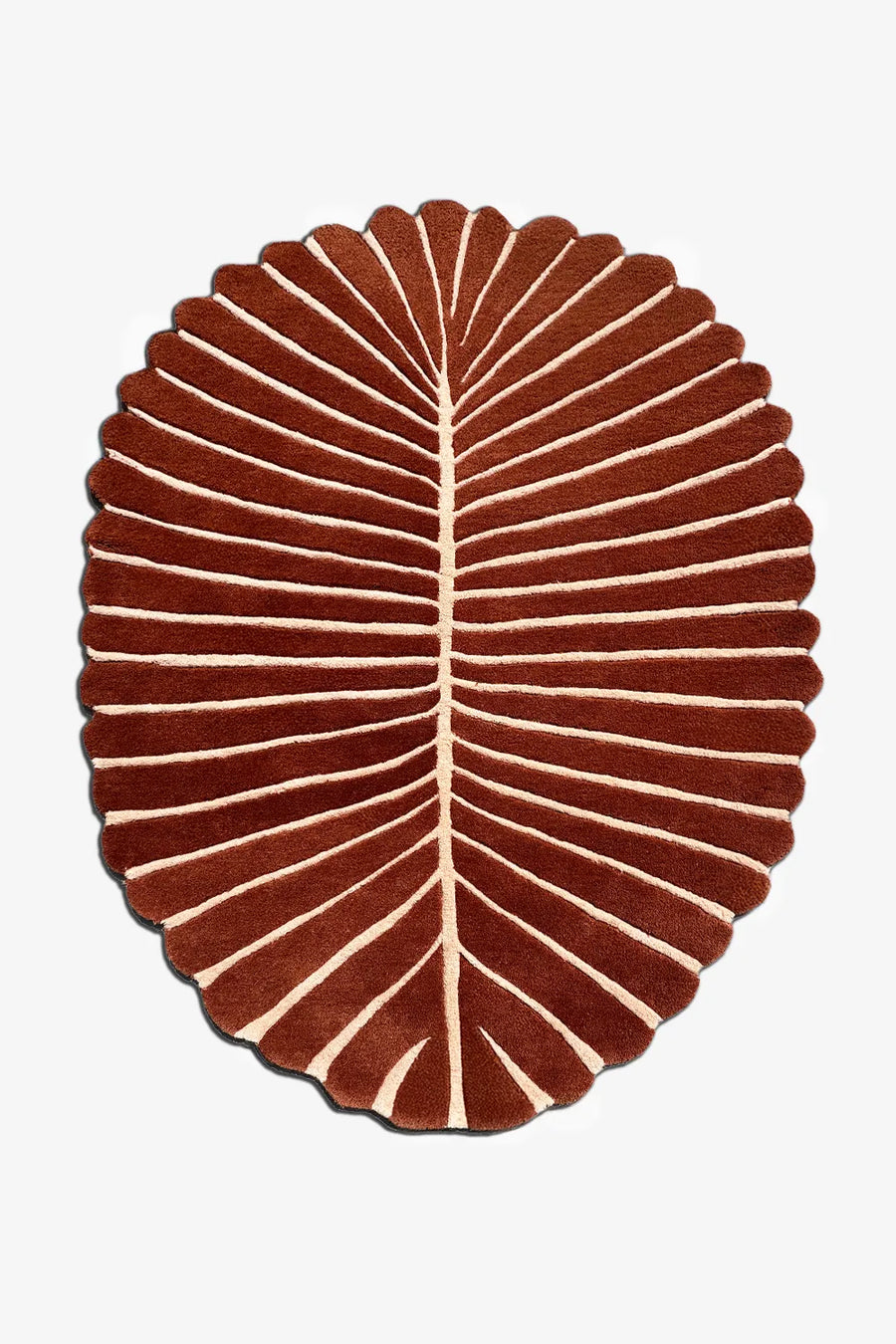
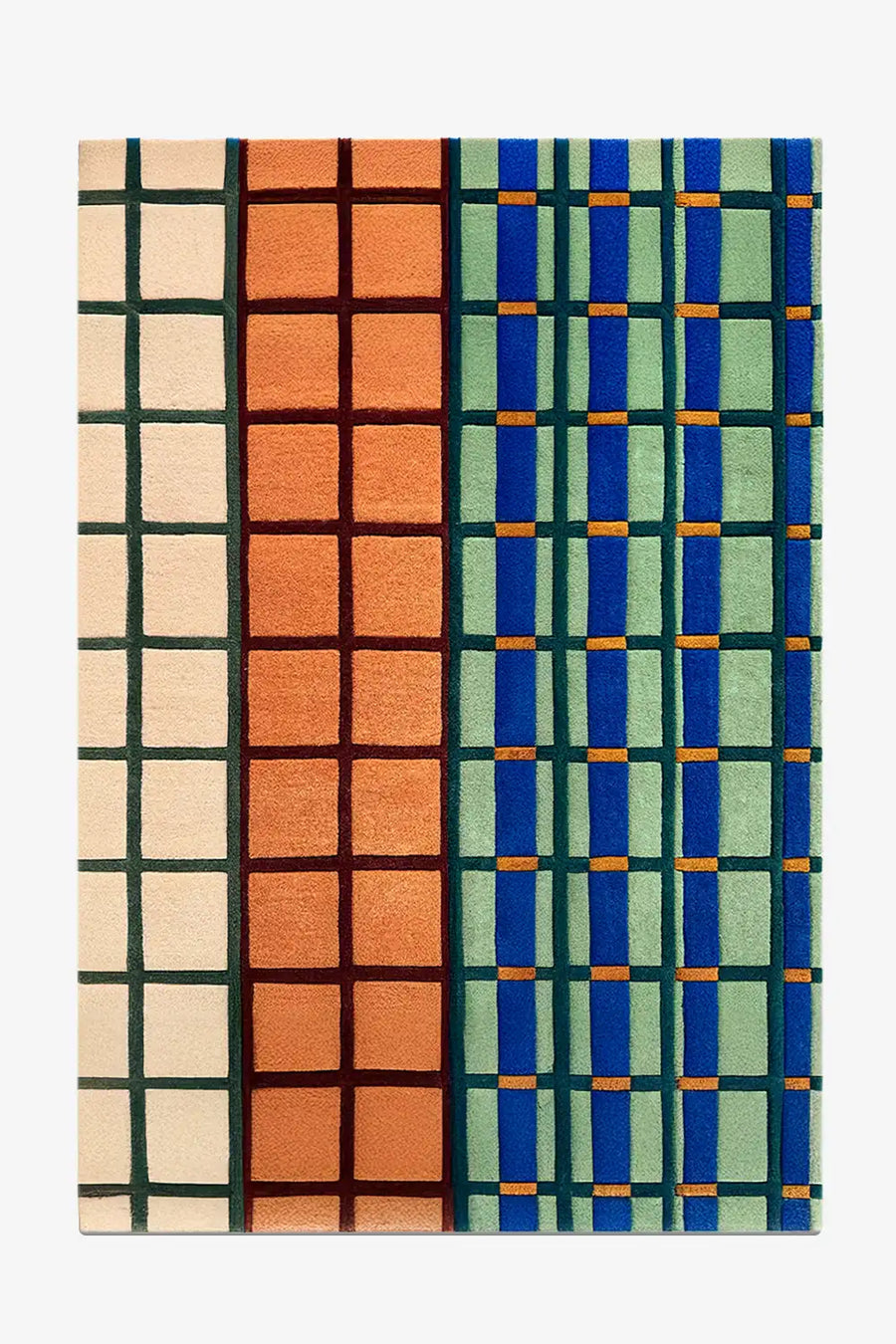
30-50 KPSI — Bold geometric patterns, contemporary designs, sculptural forms
Sharp lines, color blocks, and organic shapes don't require tight knot density. These designs emphasize form, material quality, and color relationships. Using 100+ KPSI would add months of labor and thousands in cost without improving the design—like rendering a minimalist logo at 8K resolution. -
50-70 KPSI — Detailed geometric patterns, transitional designs, moderate motif complexity
Standard density for most contemporary production. Captures pattern detail clearly while remaining economically feasible. The sweet spot for most modern rug designs. -
70-100 KPSI — Traditional patterns with intricate detail, floral motifs
Higher density becomes useful here for rendering curvilinear complexity, petal details, and fine traditional motifs. The additional knots serve the design's needs. -
100+ KPSI — High-end traditional reproductions, ultra-luxury commissions
Rare and expensive. Only necessary for photorealistic detail or extremely intricate traditional patterns. Takes 8-12+ months to produce even at smaller sizes.

These ranges represent what even master weavers with decades of experience produce. It's not about skill limitations. It's about smart design and sustainable production.
What Actually Determines Rug Quality
When evaluating a rug, KPSI should be far down your consideration list. Here's what matters more:
1. Construction Method
How a rug is constructed determines its fundamental durability and longevity more than any other factor, including KPSI.
Why handmade construction matters: Hand construction methods create integrated structural fabrics where every element is locked in place by surrounding elements. Machine-made rugs, by contrast, rely on mechanical attachments that weaken over time. This is why a hand-knotted rug at 40 KPSI will outlast a machine-made rug at 200 KPSI.
Here's how different methods compare:
- Hand-knotted: Each knot individually tied around warp threads and secured by subsequent rows. Creates the most durable construction possible—these rugs improve with age and last 50-100+ years. Allows unlimited design complexity. KPSI measurement applies here.
- Hand-tufted: Yarn pushed through backing with a tufting gun, secured with adhesive. Enables varied pile heights and sculptural textures not possible with knotting. Best for lower-traffic areas. Lifespan: 15-25 years with proper care.
- Hand-loomed/woven: Warp and weft interlaced on a loom by hand. Creates flat-weave or low-pile rugs with excellent durability. Traditional technique used for dhurries and kilims.
- Shag: Deep pile construction for plush texture and softness. Can be hand-knotted or hand-tufted—construction method determines longevity.
- Machine-made: Power-loomed with mechanical precision. Consistent but limited in design flexibility. Pile is mechanically attached rather than structurally integrated, leading to faster wear. Typical lifespan: 5-7 years.
Each handmade method serves different design goals and use cases, but all share superior longevity compared to machine production. Learn more about rug construction types.

2. Fiber Quality
The fiber determines how your rug performs and ages over decades.
New Zealand wool is considered the gold standard for hand-knotted rugs. The long, resilient fibers have natural crimp that creates springback—meaning the pile rebounds after being compressed by foot traffic. Natural lanolin in the fibers provides inherent stain resistance and gives the wool its characteristic luster. This wool maintains rich color saturation and develops a beautiful patina over time rather than looking worn.
Standard wool or blends use shorter fibers that pill more easily, show traffic patterns sooner, and may fade within 10-15 years.
Synthetic materials (polypropylene, polyester) can technically achieve high KPSI but lack the performance of natural fibers. They mat down quickly in traffic areas, don't breathe, and typically show significant wear within 5-7 years—versus 50+ for quality wool.
A 50 KPSI rug with New Zealand wool will outlast and outperform a 100 KPSI rug with inferior fibers.

3. Artisan Skill
Master weavers bring decades of knowledge to every rug, and that expertise shows in ways knot count never captures.
Consistent tension throughout the weaving process means the rug lies flat, wears evenly, and maintains its shape over time. This comes from years of experience—knowing exactly how tight to pull each knot based on the wool's characteristics, the design's requirements, and how the rug will be used.
Clean knot execution creates a smooth, even surface on both sides of the rug. You can see skilled work in the back of a hand-knotted rug—uniform knots in straight rows without gaps or irregularities.
Pattern precision means the design lands exactly as intended, with crisp lines, accurate color placement, and proper proportions. This is especially critical for geometric and sculptural forms where even slight misalignments are visible.
Finishing quality—how edges are secured, fringe is attached, and the rug is blocked—determines whether it will need repairs in 5 years or 50 years.

The artisan cooperatives we work with in Bhadohi, India have been perfecting this craft for generations. That accumulated knowledge and practiced skill can't be rushed or replicated—and it matters far more than knot count.
4. Knot Density
Knot density (KPSI) is only relevant in context of design complexity. Higher isn't inherently better; appropriate is better.
Rug Quality Factor Comparison
| Quality Factor | Impact on Longevity | Impact on Design | Impact on Cost |
|---|---|---|---|
| Construction Method | ★★★★★ | ★★★★★ | ★★★★★ |
| Fiber Quality | ★★★★★ | ★★★★☆ | ★★★★☆ |
| Artisan Skill | ★★★★☆ | ★★★★★ | ★★★☆☆ |
| Design-Appropriate KPSI | ★★★☆☆ | ★★★★★ | ★★★★★ |
| Raw KPSI Number | ★★☆☆☆ | ★★☆☆☆ | ★★★★★ |
What to Look For When Shopping
Now that you understand what determines quality, here's how to evaluate hand-knotted rugs:
1. Verify it's actually hand-knotted
Check the back of the rug. You should see clear individual knots with the pattern visible in reverse. If the backing looks like fabric with loops or has a latex/glue coating, it's tufted or machine-made, not hand-knotted.
2. Ask about the wool
New Zealand and Himalayan wool are premium. If the seller can't or won't tell you the wool origin, that's a red flag. Quality wool should feel substantial and have a slight natural sheen.
3. Learn where and by whom it was made
Established weaving regions (Bhadohi, Anatolia, Nepal) with artisan cooperative models typically indicate better working conditions and skilled craftsmanship. This information should be readily available.
4. Check dye quality
Natural dyes age beautifully and develop character. Chemical dyes can fade or bleed. Ask directly—reputable sellers will know and share this information.
5. Evaluate the KPSI for the design
A bold geometric at 50 KPSI is appropriate. The same design at 120 KPSI isn't "better"—it's overengineered and overpriced. Match density to design complexity.
6. Feel the weight and body
Quality hand-knotted rugs feel substantial. Lift a corner—it should have heft. The pile should feel dense and spring back when pressed.
Red flag: If someone leads with "300 KPSI!" as their primary selling point, they're either selling museum-quality reproductions at luxury prices or they don't understand what they're selling. For contemporary designs, KPSI should match the aesthetic purpose, not impress with numbers.
Why Higher KPSI Costs More (And When It's Worth It)
KPSI directly correlates with labor time. Understanding this relationship helps you make informed decisions about what you're paying for.
40 KPSI rug (8x10 ft):
- Total knots: ~460,000
- Weaving time: ~6 weeks with skilled artisans
- Fair wages for this labor reflected in $3,000-7,000 retail pricing
200 KPSI rug (8x10 ft):
- Total knots: ~1,150,000
- Weaving time: 8-12 months with master weavers
- Fair wages for this labor reflected in $15,000-40,000+ retail pricing
The difference isn't markup—it's math. Five times the knots means roughly five times the labor hours, which means five times (or more) the cost.
When higher KPSI is worth the premium:
You're paying for labor that genuinely serves the design. Intricate floral patterns with color gradation, photorealistic imagery, or fine traditional medallions with detailed motifs—these designs require tight knot density to render properly. The investment in higher KPSI improves the final result.
When higher KPSI isn't worth the premium:
The design doesn't require it. A bold geometric with clean lines and solid color blocks looks identical at 40 KPSI and 150 KPSI. You're paying exponentially more for labor that adds production time without improving the rug's appearance, durability, or function.
This is why understanding design-appropriate density matters. You want to pay for craftsmanship that enhances your specific rug—not for knots that serve no purpose beyond impressive-sounding numbers.
Common Questions About KPSI
Is 50 KPSI poor quality?
No. 50 KPSI is standard for contemporary hand-knotted rugs and ideal for bold geometric and modern designs. Quality depends on construction method and materials, not just knot count.
What KPSI should I look for in a hand-knotted rug?
For contemporary and geometric designs: 40-70 KPSI. For traditional patterns with detail: 70-100 KPSI. Prioritize hand-knotted construction and fiber quality over raw KPSI numbers.
Why do some sources say under 80 KPSI is poor quality?
These benchmarks reference historical museum textiles from the 18th century, not contemporary production standards. Modern artisan cooperatives produce quality rugs at 30-80 KPSI.
How long will a 60 KPSI hand-knotted rug last?
With quality wool and proper care, 50+ years. Longevity depends on construction method, fiber quality, and maintenance—not density alone.
What's more important than KPSI?
Construction method (hand-knotted specifically), fiber quality (New Zealand wool), artisan skill, and appropriate density for the design intent.
Myth vs. Reality
MYTH: Higher KPSI always means better quality
REALITY: A 50 KPSI hand-knotted rug with New Zealand wool will outlast a 200 KPSI machine-made synthetic
MYTH: Contemporary rugs at 60 KPSI are cutting corners
REALITY: 30-80 KPSI is the standard range for skilled artisan production worldwide
MYTH: You need 120+ KPSI for a quality rug
REALITY: Ultra-high density is only necessary for extremely intricate traditional reproductions
Our Approach to KPSI
At Jubi, we work with master artisan cooperatives in Bhadohi, India to create hand-knotted rugs at 30-80 KPSI using premium New Zealand wool. This density is specifically chosen for our design aesthetic—sculptural forms with bold patterns, organic edges, and contemporary color palettes.
Our irregular shapes and geometric patterns don't require ultra-high density. They're designed to showcase material quality, form, and color. Higher KPSI would add months of production time and thousands in cost without improving the design or durability.
When we say our rugs are heirloom quality, we mean it: hand-knotted construction with premium materials, made by skilled artisans who've been perfecting this craft for generations. The knot count is exactly what it needs to be—no more, no less.

Explore our hand-knotted rug collection | Design a custom rug | Learn about our artisans